What RFID Data Reveals About Linen Usage, Loss, and Cost Control
Most facilities do not think much about where their linens and uniforms actually go. Items get used, collected, cleaned, and sent back. The cycle repeats. But without any visibility into that movement, it is easy to end up with missing inventory, unexpected costs, and billing questions that are hard to resolve.
At Century Linen, our RFID tracking gives clients a clear picture of how their textiles move through daily operations, how often individual items are used, and where losses tend to occur. For healthcare providers, industrial facilities, and anyone else who depends on a reliable textile supply, having that level of detail changes how you manage the whole program.
When you can see what is actually happening, you can make decisions based on facts rather than assumptions.
A Clear View of the Linen Lifecycle
Every textile follows a cycle. It moves from use to collection, through processing, and back into circulation. Without tracking, much of that movement happens out of sight.
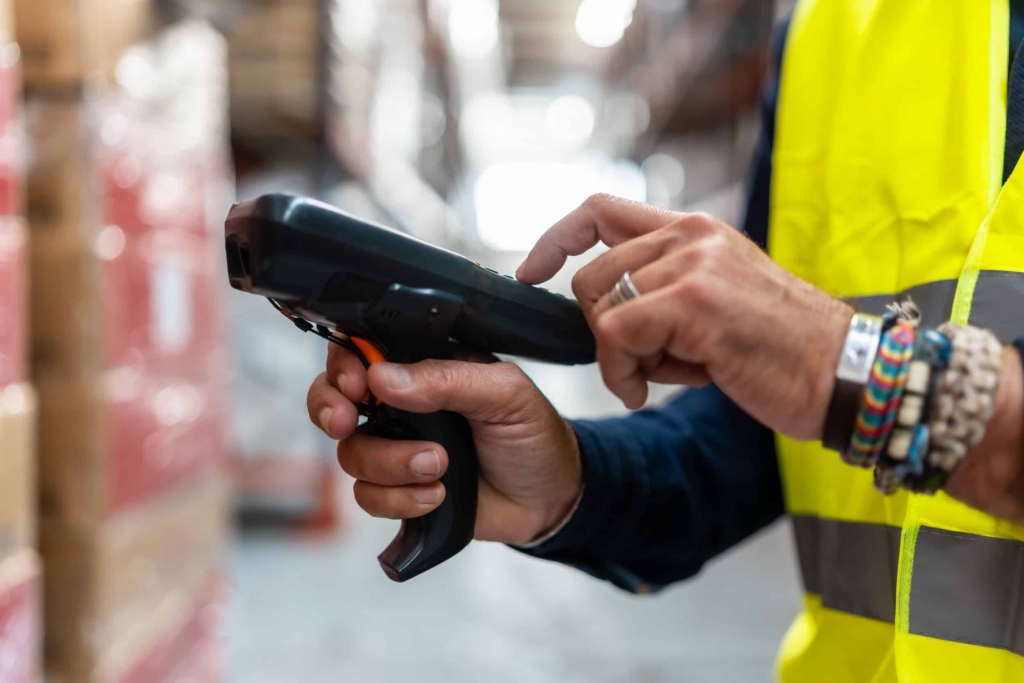
RFID tags allow each item to be scanned at key points in that cycle. From the moment linens leave your facility to when they return clean and ready for use, their movement is recorded automatically. This creates a reliable record of activity without relying on manual counts or estimates.
For customers, this means greater confidence in how their textile program operates. Instead of guessing how many items are in rotation, they can rely on verified data.
Understanding How Linens Are Actually Used
One of the most valuable insights RFID data provides is usage visibility. Not all textiles are used at the same rate. Some items circulate quickly, while others remain in storage or experience heavier wear.
With an RFID linen tracking service, businesses can identify:
- Which items are used most frequently
- How often textiles move through the system
- Where usage levels differ across departments or locations
This information helps managers make more informed decisions about inventory levels. Rather than overordering or reacting to shortages, facilities can align supply with actual demand.
Identifying Where Loss Occurs
Lost linens are a common challenge across industries. Items get misplaced, discarded, or quietly removed from circulation without any clear record of where they went. Over time, those losses add up and drive replacement costs higher than they need to be.
Research from the Textile Rental Services Association found that theft and deliberate or inadvertent misuse of textile products are among the primary causes of premature linen loss, raising costs for both launderers and the facilities they serve.
RFID tracking helps identify exactly where those losses are happening. Because each item is scanned as it moves through the process, gaps become visible rather than invisible. If a textile stops appearing in the system at a certain point, that information is there to be reviewed and acted on.
That kind of visibility shifts linen management from reactive to proactive. Instead of writing off losses as part of doing business, organizations can trace where the problem starts and actually do something about it.
Improving Cost Control Through Accurate Data
Cost control is one of the most important benefits of RFID technology. When inventory data is clear and reliable, billing becomes more transparent.
With RFID tracking in place:
- Textile counts are based on actual movement
- Usage patterns are documented and consistent
- Billing reflects verified activity rather than estimates
For many organizations, this eliminates uncertainty around charges. Instead of reviewing invoices with questions about missing items or unexpected replacements, managers can rely on accurate records.
Over time, this leads to more predictable costs and stronger financial control.
Supporting Multi Location and High Volume Operations
RFID tracking becomes even more valuable for organizations that operate across multiple locations or manage large volumes of textiles. As the number of items and facilities increases, manual tracking becomes less reliable.
A structured RFID linen tracking service provides centralized visibility across all locations. Managers can monitor inventory trends, adjust supply levels, and maintain consistency across their operations.
For healthcare systems, industrial facilities, and multi-site organizations, this level of coordination supports smoother daily operations.
A Technology Driven Approach to Textile Management
At Century Linen, we believe that better technology leads to better service. That is why we have integrated RFID tracking into our service programs, giving our customers greater transparency into how their textiles are managed from start to finish.
By combining RFID data with our structured processing systems, we help businesses maintain accurate inventory, reduce loss, and feel confident in the accuracy of their billing. From our dedicated healthcare processing facility in Gloversville, we support organizations across Central New York with textile services built around reliability and consistency.
RFID tracking is one part of a broader commitment to doing things the right way. We are always looking for ways to improve how we work, so that our service programs grow alongside the needs of the businesses and facilities we serve.
Turning Data Into Operational Confidence
RFID technology does more than track linens. It provides insight into how textile programs function day to day. With better visibility, businesses can reduce loss, improve planning, and maintain stronger control over costs.
For organizations that rely on a steady supply of clean linens and uniforms, that clarity can remove uncertainty from an essential part of their operation.
If your facility is looking for a more transparent and data driven approach to textile management, contact Century Linen today to learn how an RFID linen tracking service can support your operation.